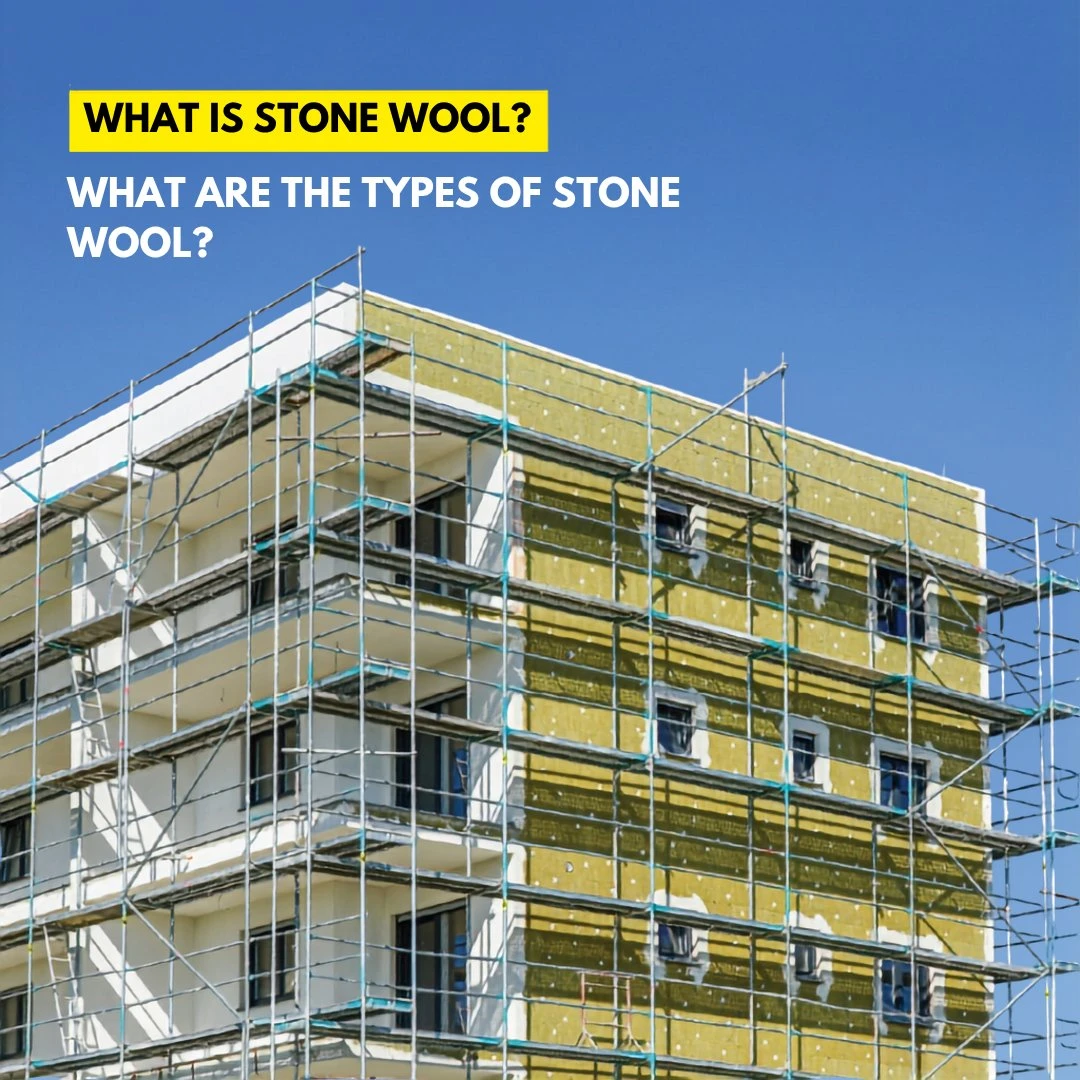
Stone wool stands out in the construction industry for its superior insulating properties. It is one of the most reliable materials for heat, sound and fire insulation. It both provides energy efficiency and enhances comfort. Manufactured from natural raw materials, this insulator is long-lasting and eco-friendly. But where and how is it applied? Let’s explore this versatile material in detail.
Stone wool is an insulation material manufactured from local inorganic raw materials, melted and spun at temperatures between 1,350°C and 1,400°C. Depending on the intended use and application area, it is produced in the form of blankets, boards, pipes, or loose fill. It provides heat and sound insulation while also offering significant advantages in acoustic regulation and fire safety.
Thermal conductivity at 10°C ranges between 0.035 and 0.040 W/mK. İzocam products are therefore classified in the 035 and 040 thermal conductivity groups. The water vapor diffusion resistance coefficient is μ = 1. Depending on the specific product type, the service temperature ranges from -50°C to +650°C, while the melting point exceeds 1,000°C. These specifications demonstrate the material’s resilience against both extreme cold and intense heat, making it particularly suitable for fire safety and energy efficiency.
Stone wool maintains its shape and dimensions even when exposed to high temperatures and humidity. It does not lose its physical or chemical properties over time, nor does it lead to issues such as rot, mold, rust, or corrosion. Additionally, its non-hygroscopic and non-capillary structure allows the building to breathe. Unfaced stone wool products are classified as Class A1, “non-combustible,” according to the TS EN 13501-1 standard, signifying their high fire resistance and durability.
The primary function of stone wool is to provide heat, sound and fire insulation. It helps save energy by preventing heat loss in buildings, creating a warm interior in winter and a cool environment in summer. Thanks to its high sound absorption capacity, it is an ideal solution for noise control. By absorbing sound waves, it reduces echoes and makes ambient sounds clearer.
Stone wool is also an exceptionally effective material for fire safety. It is produced from natural rocks, so it is naturally non-combustible and resistant to high temperatures. This characteristic makes stone wool a favorite for fire insulation. Collectively, these features render stone wool a versatile solution for structures, in terms of both comfort and safety.
 What Are the Types of Stone Wool?
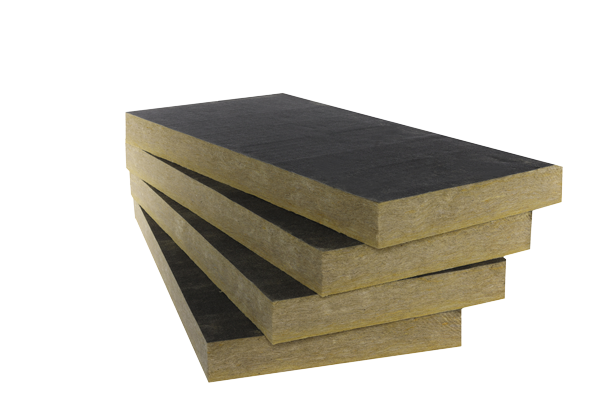
Stone wool is produced in different specifications based on its intended use. Each is used in different areas, in different densities and forms. The required level of flexibility or rigidity determines the appropriate type from the three main groups: boards, loose-fill, and pipes.
The following list outlines the types and specific functions of stone wool that İzocam carries:
• Stone Wool Collector Board: These unfaced boards are specialized stone wool sheets designed to provide high-efficiency heat insulation in solar collectors. Their resistance to high temperatures minimizes energy loss.
• Partition Wall Board: These boards offer effective heat and sound insulation for lightweight partition walls, the internal insulation of external walls, stairwells, and elevator shafts, as well as between adjacent apartments. They are an ideal choice for creating comfortable, quiet living environments.
• Ventilated Facade: Specifically produced as unfaced stone wool boards in compliance with TS EN 13500, these are used in plastered exterior façade insulation systems to provide heat and sound insulation, as well as fire safety.
• Façade Board: These boards are used behind façade sidings such as granite, marble, aluminum, or glass in curtain wall systems to provide heat and sound insulation while also enhancing fire safety.
• Fire Door Board: Produced in EI60, EI90, and EI120 fire resistance classes, these specialized boards create a secure insulating barrier within fire doors. Their fire resistance helps protect life and property.
• Oven Board: These boards are used to prevent heat loss in oven systems exposed to high temperatures. Their heat-resistant composition saves energy and extends the service life of the equipment.
• Panel Board: Designed for heat, sound and fire insulation within sandwich panel systems, these boards improve both the safety and energy efficiency of structures. They are widely used in industrial and architectural applications. Sandwich roof and façade installations follow manufacturer specifications and can be customized in dimensions and technical requirements based on customer needs.
• Solar 35T / Solar 40T: Manufactured as unfaced products, these two types are engineered to deliver maximum heat insulation for solar collectors. Their robust fiber structure ensures long-term performance. Solar collectors use solar boards for heat insulation. Proper spacing and ventilation prevent fogging, while Solar 35T and 40T are specifically designed not to stain glass.
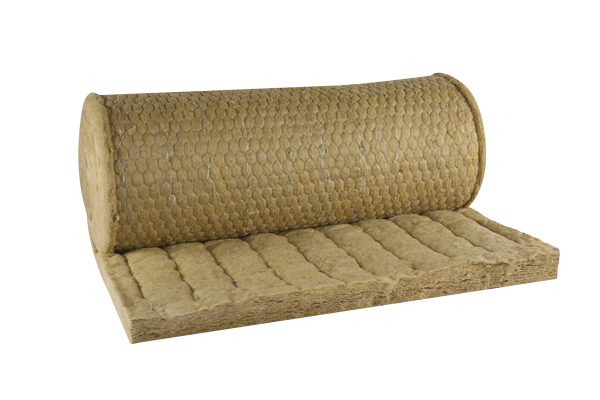
• Loose-Fill Stone Wool: These are binder-free fibers. They are used for both heat and sound insulation on irregular surfaces, double-walled containers, laboratory equipment, and electrical household appliances. Their flexible structure allows for easy application on any surface. On irregular surfaces, they are packed into gaps to ensure thermal and fire insulation. The cavity must be filled to the surface, and the density should be around 80 kg/m³.
• Industrial Blanket: It is designed to provide heat insulation and fire safety for pipelines, tanks, and process equipment in industrial facilities. It is highly resistant to heat and is easy to install thanks to its flexible structure.
• Valve Jacket: Manufactured using binder-free glass wool or stone wool blankets, this specialized insulation jacket is developed for the thermal insulation of valves. The outer surface is silicone-coated, while the inner surface is resistant to temperatures of up to 500°C. This jacket is compatible with all valve types under DIN, ANSI, and API standards.
Each of these materials is engineered specifically for its distinct application. This allows you to select the most appropriate product for your building’s specific requirements, ensuring maximum insulation efficiency.
 Where Is Stone Wool Used?
Stone wool offers a wide range of applications across both the construction sector and various industrial fields. It combines the fire safety and high-performance heat and sound insulation required in buildings, industrial facilities, and the shipbuilding industry.
In buildings, it is used for heat insulation on external façades, roofs, intermediate floors, and basement walls. It is particularly preferred for sound insulation in cinemas, recording studios, meeting rooms, and offices. It is also in high demand for fire safety in these structures.
In industrial facilities, stone wool is generally used to prevent energy loss, provide thermal insulation for equipment operating at high temperatures, and enhance overall fire safety. The material is water-repellent and remains dimensionally stable during day-to-night temperature fluctuations due to its inorganic structure, meaning it does not expand or contract. It is therefore reliable in continental climate zones.
İzocam Stone Wool stands out in a variety of settings for its high performance, durability, and environmentally friendly manufacturing. When applied correctly, it improves energy efficiency, enhances indoor comfort, and increases structural safety. With its durability and sustainable properties, İzocam Stone Wool is an essential insulation solution for modern construction.
No, it is a completely non-combustible material. It is classified as a Class A1 non-combustible insulation material because it is manufactured from natural rock. It maintains its structural integrity, even at high temperatures.
It does not retain water on its surface and allows for rapid drainage. Its breathable structure prevents moisture from damaging the building, ensuring long-term durability.
No, it is not prone to insect or pest infestation. Its natural stone composition contains no organic matter, meaning it does not provide a suitable habitat for pests.
Yes, it is a safe insulation material. It is produced from natural raw materials, does not emit harmful gases, and has no negative impact on indoor air quality. On the contrary, it improves quality of life by providing both acoustic and thermal comfort.


