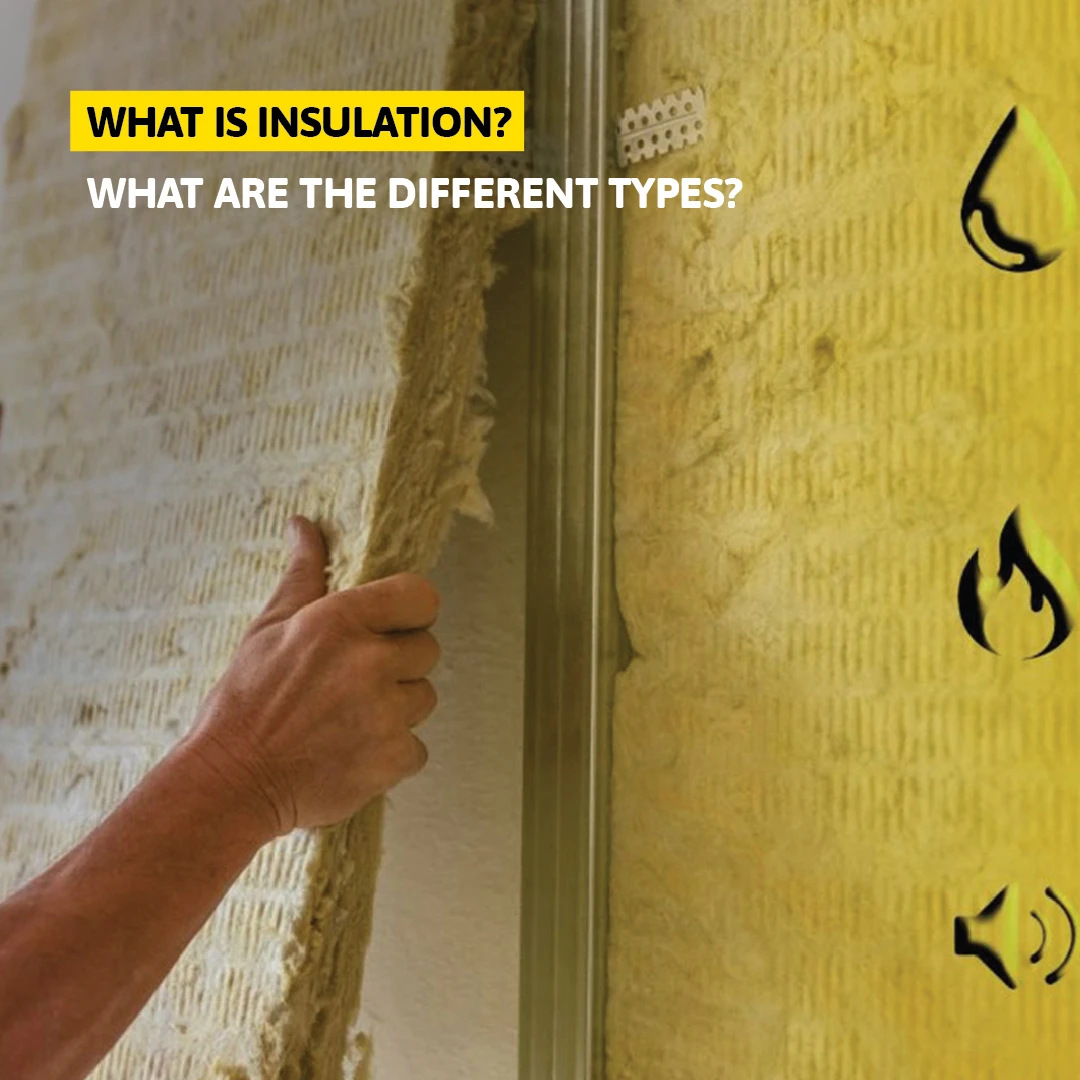
What Is Insulation and What Are the Different Types?
Insulation refers to specific construction methods that protect a building from harmful external influences. It particularly minimizes the impact of noise, heat, water, and fire. A popular option in today’s construction projects, insulation creates a barrier against external factors. As it also prevents energy loss, it is useful throughout the year. Material choice is critical for effective implementation, and glass wool and stone wool, both mineral wools, offer high insulation performance.
Simply put, insulation consists of construction techniques that enhance indoor comfort and protect against unwanted external effects. It can be applied to the entire exterior façade of a building or cover specific areas such as pools, roofs, and balconies. The key is correctly identifying the building’s specific external risk factors. Contractors may apply advanced insulation methods to address primary risks, including water, moisture, heat, noise, and fire. Façade treatments protect the structure from high temperatures, humidity in coastal areas, or noise in central locations. With the prerequisite of matching the method to the project, such applications also prevent condensation and ensure long-term structural protection.
A thorough structural analysis is another critical step for effective implementation. Such an analysis determines the exact type of façade insulation the building requires. Determining the building’s exposure to external factors, analyzing climate data,
and assessing its relationship with surrounding structures, such as sun exposure and shading, ensures the correct insulation choice. Following this analysis, contractors select the specific material type and thickness. Material choice varies according to specific needs. While membrane types are essential for waterproofing and vapor barriers for moisture, sound-absorbing materials and heat insulation materials stand out for acoustic and temperature control, respectively. Materials such as stone wool and glass wool have been trending in recent years, as they offer multi-purpose protection and specialized design options, as well as longevity and practical application.
Another critical nuance in insulation is maintaining strict standards during implementation. An uninterrupted application without gaps allows the insulation to function efficiently for many years. Otherwise, leaks through gaps can cause performance inconsistencies, deviating from initial calculations and subsequently leading to dissatisfaction over time.
 What Are the Benefits of Installing Insulation?
Insulation provides numerous benefits that indirectly support interior spaces. The primary advantages include:
- • Preventing energy loss: Insulation is the most effective protection against summer heat and winter cold. By maintaining the indoor temperature, it minimizes energy loss. Translating into energy efficiency, this directly reduces fossil fuel consumption and lowers high energy bills. Consequently, insulation recovers its initial cost in a short time.
- • Reducing noise and sound: Effective insulation increases comfort by reducing noise from neighbors, such as music or conversation, as well as traffic and other sounds of the city. The rapid expansion of highways, subways, and airports in recent years has particularly increased the demand for indoor silence. Additionally, sound insulation in shared spaces like schools, open offices, hospitals, and government buildings boosts productivity and has a positive impact on human health.
- • Moisture control: Eliminating moisture and water keeps the building structurally sound throughout its lifespan and prevents mold and bacterial growth. This creates sturdier and healthier living spaces. Waterproof insulation is also essential to protect the building’s load-bearing system from groundwater, which would otherwise render buildings more vulnerable to earthquakes over time. Furthermore, insufficient or missing insulation on external walls can cause condensation, subsequently leading to mold and bacterial growth, particularly on northern façades and in corners. Such growth is a hazard to human health and can potentially damage the building’s façade and load-bearing system. Sufficient heat insulation is key to preventing such risks.
- • Moisture control: Eliminating moisture and water keeps the building structurally sound throughout its lifespan and prevents mold and bacterial growth. This creates sturdier and healthier living spaces. Waterproof insulation is also essential to protect the building’s load-bearing system from groundwater, which would otherwise render buildings more vulnerable to earthquakes over time. Furthermore, insufficient or missing insulation on external walls can cause condensation, subsequently leading to mold and bacterial growth, particularly on northern façades and in corners. Such growth is a hazard to human health and can potentially damage the building’s façade and load-bearing system. Sufficient heat insulation is key to preventing such risks.
- • Fire safety: In today’s construction industry, fire safety has become as critical a requirement as sustainability, energy efficiency, and living comfort. Building secure structures is not simply a technical necessity, but a social responsibility. And fire safety is a fundamental component. Fire insulation applied with the correct materials and competent workmanship will minimize fire risks in all buildings. As flames escalate rapidly during a fire, insulation can delay the spread of flames and help prevent the formation of toxic gases. Mineral wools like stone wool and glass wool provide vital time for occupants to escape a fire and for firefighters to arrive, ultimately reducing overall damage. Furthermore, thanks to their high heat resistance, these materials prevent structural elements from collapsing and enhance the building’s durability. In modern construction, using fire-resistant materials is no longer an option but a necessity for residential projects and shared spaces such as industrial facilities, public buildings, shopping centers, schools, hospitals, and hotels.
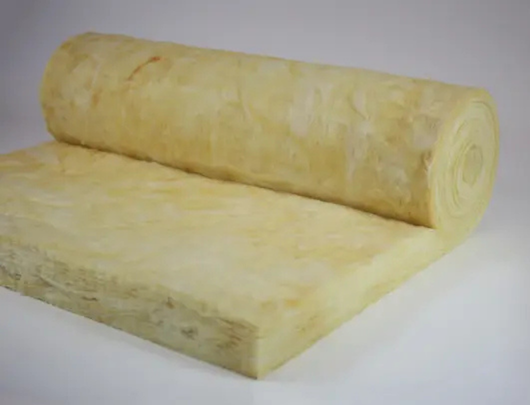 What Are the Different Types of Insulation?
Obtaining detailed information about insulation types ensures correct application for specific purposes. The types of insulation include:
- • Heat insulation: This is typically applied to external façades, roofs, floors, and basement floors to minimize heat loss during winter and summer, and to separate heated areas from unheated spaces. It provides a more comfortable living environment and ensures energy efficiency.
- • HVAC insulation: This refers to the insulation of HVAC systems in industrial, residential, or non-residential buildings. Such applications increase the corrosion resistance of units while maintaining the temperature stability of gases or liquids transported within heating and cooling systems.
- • Sound insulation: Sound, or acoustic insulation, protects against noise pollution. It can be applied, with suitable materials, to external façades, equipment, walls, or HVAC systems. The insulation prevents noise transfer from outside to inside as well as from inside to outside.
- • Water insulation: It is applied particularly to the water-exposed sections of a building, including below ground level and on the roof. It prevents water from moving through reinforced concrete via capillary action and the subsequent moisture damage, ensuring a sturdier structure and more hygienic conditions.
- • Fire insulation: This type of insulation minimizes fire risk factors and helps prevent the spread of fire. It subsequently helps reduce risks in high-occupancy buildings.